
Research
Cardiovascular Risk in Young Finns Study
YFS
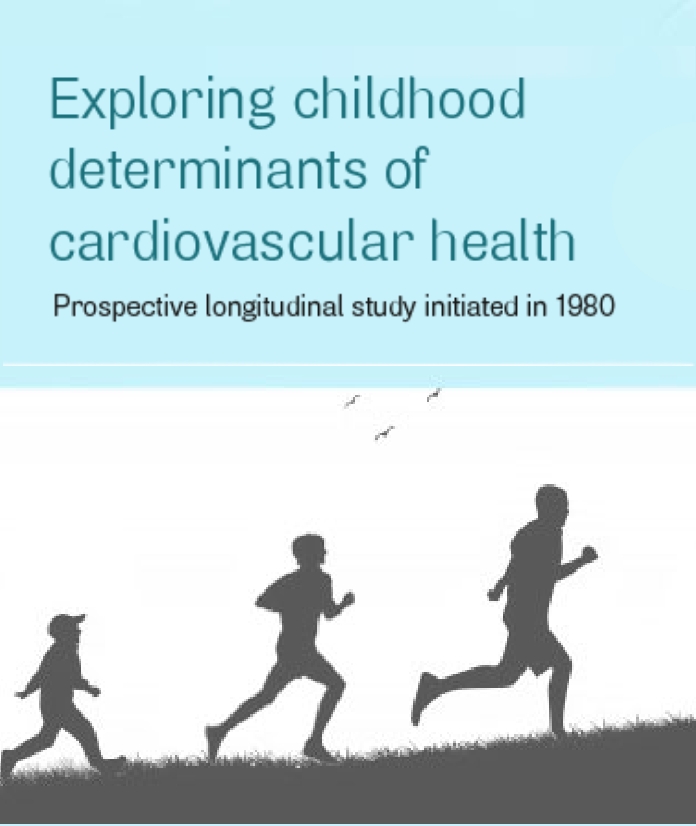
The Cardiovascular Risk in Young Finns Study (YFS) is a population-based cohort into cardiovascular risk with repeated data assessments beginning from childhood. The main aim is to determine the contribution made by childhood lifestyle, biological, and psychological measures to the risk of cardiovascular diseases in adulthood. The baseline examinations were completed in 1980 (N=3596) and recently the cohort was extended into a 3-generational study as a part of the ERC funded MULTIEPIGEN project.
Special Turku Coronary Risk Factor Intervention Project
STRIP
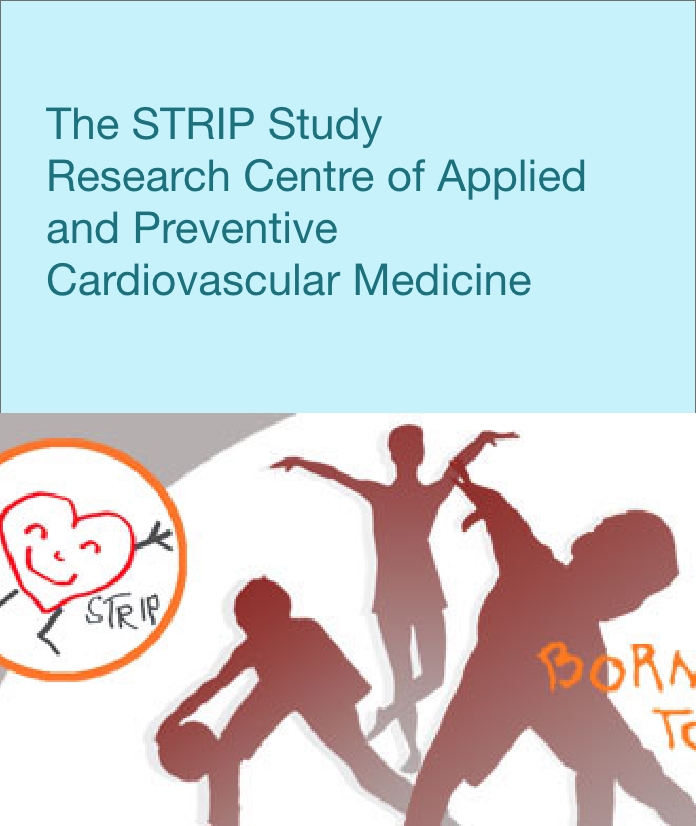
The Special Turku Coronary Risk Factor Intervention Project (STRIP) is a dietary and lifestyle intervention trial aiming to promote cardiovascular health since infancy (n=1062). From the beginning of the study in 1989, the participants have been repeatedly examined between ages 7 months and 26 years. The data collections have been extended also to parents and grandparents. Data includes repeated assessment of e.g. diet, lifestyle, growth, cardiometabolic biomarkers, arterial imaging, and genetics.
Finnish Retirement and Aging study
FIREA
Finnish Retirement and Aging study (FIREA) is established in 2013 and aims to examine changes in health behaviours and clinical cardiovascular risk markers during retirement transition by following older workers from work to full-time retirement. The special focus of the FIREA study is on activity behaviour. Modern measurement tools are used to quantify changes physical activity, sedentary time and sleep. In addition, the aim is to examine long-term consequences of work and retirement on health and functioning with advancing age.
Boy Cohort Study
Male reproductive health study
The male reproductive health -study is based on the Boy cohort study. The Boy cohort study includes boys born in 1997 – 2002 in Turku University Hospital and their families. Reproductive health of the Boy cohort boys has been studied in early infancy, during puberty and in young adulthood (around the age of 20 years). The study aims at elucidating developmental, genetic and environmental determinants of male reproductive health. The study is performed in collaboration with a Danish research group. In addition, we study currently reproductive health in the whole population by inviting 21 – 22-year-old young men living in Turku or in the neighboring cities to participate in the male reproductive health study (Study on Reproductive Health of Young Men).
Privacy statement/tietosuojaseloste: Determinants of Male Reproductive Health (in Finnish)
Privacy statement/tietosuojaseloste: Reproductive Health of Young Men Study (in Finnish)

Southwest Finland Birth Cohort
SFBC and STEPS Study
The Southwest Finland Birth Cohort (SFBC) is a longitudinal birth cohort that consists of all 14,969 children born in 2008–2010 in the Hospital District of Southwest Finland and their mothers. Information about the SFBC is based on pregnancy follow-up data from maternity clinics, national medical birth register and on-going data collection from electronic patient records, child welfare clinics and other national registers. The SFBC examines well-being of children and their mothers from a number of dimensions: mental health, somatic health, service use, rehabilitation, and child protection.
The cohort includes the STEPS study subsample, which is a multidisciplinary longitudinal study of the physical, psychological and social development of children, starting from pregnancy and continuing until adolescence. Data from multiple sources are used to obtain a picture of the overall well-being of the child and the family. The STEPS study also involves linking administrative data with survey data in case in which survey respondent has given informed consent to the linkage.